This content was aggregated from local dealer data and insights provided by the USA Today Network Automotive Insights team using Google Gemini and the Vehicles For Sale Near Phoenix marketplace writing team.
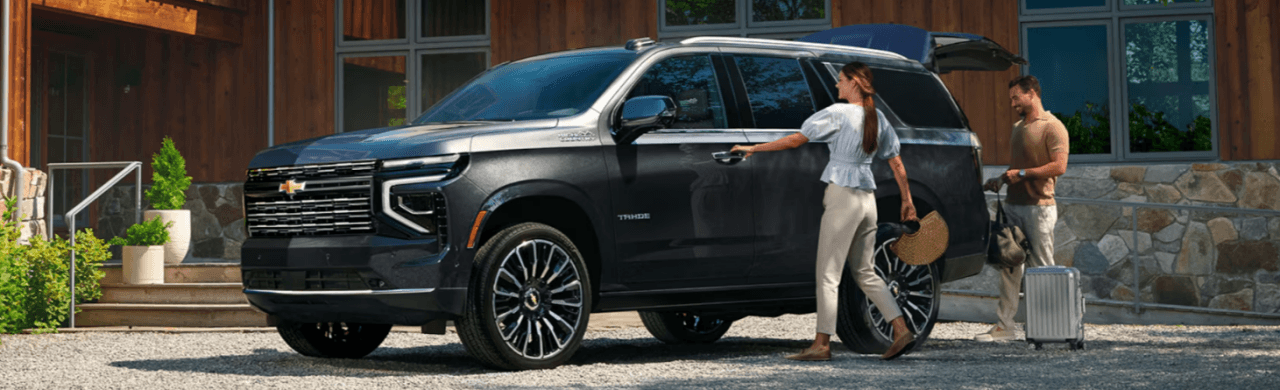
The 2026 Chevrolet Tahoe is a full-size SUV, so parking practicality deserves attention alongside price, condition, and equipment when comparing vehicles around Mesa, Arizona. A vehicle that fits comfortably in an open shopping-center space may feel less convenient in a residential garage, a narrow parking structure, or a crowded space near central Phoenix. Buyers should evaluate the Tahoe against the places they regularly drive rather than relying on general impressions of vehicle size.
For shoppers in Mesa and the wider Phoenix metropolitan area, the most useful approach is to test the vehicle in realistic conditions, measure tight spaces before committing, and verify the equipment fitted to the specific listing. A listing can help identify a candidate, but a physical inspection and confirmation with the seller are important before arranging a visit or purchase.
Parking is a practical ownership question, not simply a matter of whether a vehicle can fit between two painted lines. The Tahoe's full-size footprint can affect how much room remains for opening doors, loading passengers, reaching storage areas, and maneuvering around nearby vehicles. Buyers should consider both the space required to park and the effort needed to enter or leave that space.
Start by identifying the environments where the SUV will spend the most time. These might include a home garage, apartment parking area, workplace lot, school pickup zone, or shopping center. Each presents different constraints, and a test drive on open roads will not necessarily reveal how manageable the Tahoe feels in confined spaces.
Before comparing individual vehicles, make a short checklist:
Measure the usable width and depth of the home garage, including shelves, cabinets, and other obstructions.
Check the garage-door opening and overhead clearance rather than measuring only the interior.
Consider whether the driver can open the door enough to enter and exit comfortably.
Identify tight turns, support columns, ramps, or narrow approaches in frequently used parking facilities.
Allow room for walking around the parked vehicle and accessing the cargo area.
Measurements should account for real use, not just the vehicle's ability to cross the garage threshold. A Tahoe that technically fits may leave too little room to move around it comfortably. If more than one driver will use the SUV, consider their seating positions, comfort with maneuvering, and typical parking destinations.
When comparing a 2026 Chevrolet Tahoe, buyers should verify the exact equipment on the vehicle being considered instead of assuming every example has the same parking-related features. Model year and model name alone do not establish which driver-assistance systems, cameras, sensors, or display functions are fitted to a particular vehicle.
Ask the seller to identify the relevant equipment on the specific vehicle and demonstrate it during an inspection. If the listing mentions a camera system or parking assistance, confirm what the system includes and how it operates. A feature name in an advertisement is a starting point for verification, not proof that the equipment is present or functioning properly.
Useful checks include:
Confirm which camera views are included and whether they display clearly.
Ask whether parking sensors are fitted and test their alerts in a safe, controlled setting.
Check the display for warning messages, intermittent operation, or other visible issues.
Verify the equipment against the vehicle's documentation and window sticker, where available.
Ask which functions require driver input and what limitations the owner's information describes.
These systems can support awareness, but they do not replace checking mirrors, looking for pedestrians, or confirming that the intended path is clear. Camera views may not show every obstacle, and sensor alerts can depend on the object's position and conditions. Drivers should remain responsible for maneuvering safely.
Buyers should also distinguish between a feature being listed, installed, and working correctly. If a parking-related system is important to the purchase decision, ask for a demonstration before finalizing the transaction and have any unexplained warning or malfunction investigated.
A useful parking assessment should reproduce the situations a driver expects to encounter after purchase. Start in a large, quiet area with clear markings, then progress to tighter spaces only when it is safe to do so. Ask the seller whether a low-speed maneuvering test can be included in the appointment.
During the test, pay attention to the vehicle's front and rear corners, the amount of steering needed, and how easily the driver can judge the distance to nearby objects. Try entering and leaving a marked space, making a turn into a parking aisle, and reversing with appropriate checks. Avoid testing near people, moving traffic, or obstacles that could cause damage.
For a home garage, measure the space in advance and compare the measurements with the dimensions for the exact vehicle configuration. Include mirrors and any other relevant protrusions when assessing the usable opening. If the garage has a sloped approach, raised threshold, or narrow turn, consider how that affects entry and exit.
A practical evaluation should cover several questions:
Can the driver approach the space without repeated corrections?
Is there enough room to open the driver's door and get out?
Can passengers enter and exit without awkward movement?
Is there space to walk around the parked SUV or reach stored items?
Does reversing feel manageable with the driver's normal mirror and camera checks?
Do not rely on a single successful maneuver as the only test. Repeat the assessment from both directions where appropriate, and have another driver try the same route if they will regularly use the vehicle. The goal is to understand the effort required, not to prove that the SUV can fit once.
Mesa driving can involve open suburban roads, busy shopping areas, residential driveways, and trips into the wider Phoenix metropolitan area. Buyers should consider where they park as often as how far they drive. A vehicle that suits regular family or work travel may still require a different parking routine at home or at frequently visited destinations.
Think about the places visited during a normal week. If the driver routinely uses a garage with limited clearance or a parking structure with tight turns, those constraints should carry more weight than an occasional trip to a spacious lot. If most parking takes place outdoors, turning room, visibility, and the ability to maneuver around other vehicles may be the more relevant considerations.
It is also sensible to evaluate ownership costs as part of the overall decision. Insurance quotes, fuel expenses, routine maintenance, registration, and any financing costs can affect affordability. These expenses vary by driver, vehicle, insurer, lender, and individual circumstances, so buyers should obtain current estimates instead of relying on generalized figures.
A simple ownership review can keep the decision grounded:
Check the dimensions of the spaces used most often.
Request insurance estimates using the specific vehicle details.
Build a budget that includes fuel, maintenance, registration, and financing where applicable.
Compare asking prices and vehicle histories for listings with similar year and condition.
Confirm the specific vehicle's availability and equipment before traveling to inspect it.
For local shoppers, the aim is to find a Tahoe that fits both the intended budget and the realities of daily use. Parking convenience is one part of that assessment, but it should be considered together with listing details, condition, paperwork, and total ownership expenses.
Test the vehicle in a safe, low-traffic area before trying a familiar parking space or garage. Measure tight spaces in advance, check the room needed for doors and passengers, and practice entering, reversing, and exiting. Use mirrors and any fitted camera or sensor systems as aids, while maintaining direct awareness of people and obstacles.
Confirm the specific vehicle's model year, equipment, condition, and current availability with the seller. If parking cameras or sensors are important, ask for a demonstration and compare the equipment with the vehicle documentation. Listings can change, so confirm the details before making a trip from Mesa or elsewhere in the Phoenix metropolitan area.
Compare asking prices alongside condition, mileage where applicable, equipment, vehicle history information, seller location, and listing details. Request personalized insurance estimates and account for fuel, maintenance, registration, taxes, and financing costs. Use the same checklist for each candidate, and verify the final figures and vehicle details directly before making a decision.
Written for https://vehiclesforsalenearphoenix.com/
By the USA TODAY Network Automotive Insights Team, in collaboration with AutoNation Chevrolet Mesa and the Vehicles For Sale Near Arizona Republic Edition.
Disclaimer: This article's content is intended for informational purposes only. Vehicle specifications and features are based on data provided by J.D. Power and local dealerships and may vary by individual vehicle, VIN, trim, configuration, packages, and optional equipment. Vehicle images may not depict the exact model, trim, features, packages, accessories, or specifications described. Vehicle pricing, availability, features, and specifications are subject to change without notice. Please reference the dealership's vehicle listing and window sticker or consult the dealership directly for complete and accurate details.