
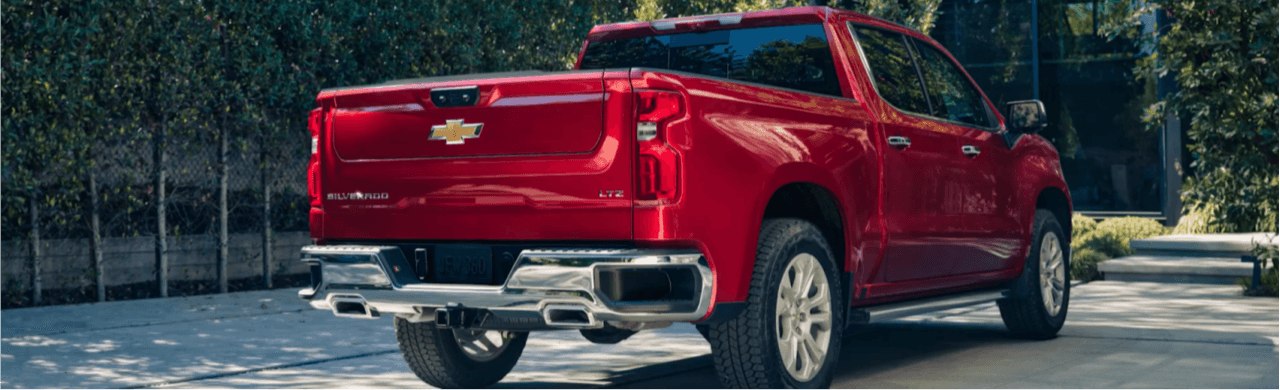
This content was aggregated from local dealer data and insights provided by the USA Today Network Automotive Insights team using Google Gemini and the Vehicles For Sale Near Phoenix marketplace writing team.
For property owners in Coolidge, Arizona, a pickup may need to handle a mix of everyday driving, supply runs, maintenance tasks, and occasional hauling. When comparing the 2026 Chevrolet Silverado 1500 LT, it helps to look beyond the model name and consider how the cab, bed, configuration, and expected operating costs fit the work you actually do. A truck that suits one property owner's routine may not be the best fit for another.
Buyers should also consider how frequently the truck will be used for work versus regular transportation. That balance affects which configuration makes sense, how much capacity is needed, and which ownership expenses deserve the closest attention. Comparing local listings with a consistent checklist can help shoppers identify suitable candidates and verify important details before committing to a purchase.
Start by outlining the tasks the truck will need to handle. Property-related use can vary from carrying tools and supplies to transporting equipment or making routine trips into town. Listing these needs before browsing helps buyers focus on relevant configurations instead of comparing vehicles on appearance alone.
Create a short requirements list that covers:
Typical driving, including local trips and travel across the Greater Phoenix area.
Cab space needed for passengers, work gear, or personal items.
Bed dimensions and access requirements for the materials or equipment carried.
Expected payload and towing needs, verified against the specific truck's ratings and applicable limits.
Purchase budget, expected annual mileage, and likely ownership period.
The LT designation should be confirmed on the specific listing, along with the vehicle's exact configuration and equipment. Do not assume that all trucks bearing the same trim name have identical options or capabilities. Verify any important detail using the listing, vehicle documentation, and seller confirmation.
Think about how the truck will fit into your routine on days when property work is not the main priority. A vehicle used for both errands and work may need to balance cab comfort, parking, cargo flexibility, and operating expenses. Prioritizing these requirements helps make the comparison more practical.
The purpose of checking features is to determine whether the individual truck meets your needs—not to assume that every 2026 Chevrolet Silverado 1500 LT has the same equipment. Review the listing carefully and confirm the configuration before relying on any specification.
Start with the cab and bed combination. Cab space affects passenger and storage needs, while bed dimensions influence what can be carried and how items can be loaded. Compare the exact measurements and layout with your intended use instead of relying on broad descriptions such as “work-ready” or “versatile.”
Other details to verify include:
Model year, LT trim designation, and exact configuration.
Engine, drivetrain, and equipment details as documented for the individual vehicle.
Applicable payload and towing ratings for the specific configuration.
Odometer reading, condition, and service documentation where applicable.
Any installed accessories or modifications that could affect usability or require further inspection.
If hauling or towing is part of the plan, confirm the truck's ratings and account for passengers, cargo, accessories, and trailer weight where relevant. Do not select a vehicle based only on a general model-level figure. The exact truck and intended load determine which limits need to be considered.
For a used vehicle, review condition, available history, and maintenance records. For a new vehicle, verify the build details, included equipment, transaction terms, and actual listing status. If a key feature is not documented, treat it as unconfirmed until the seller provides clarification.
The most useful pickup configuration is one that meets the work requirements without making routine driving unnecessarily difficult or expensive. Property owners should consider both the tasks the truck must perform and the days when it will mainly be used for commuting, errands, or family transportation.
Begin with the loads you expect to carry. Consider their weight, dimensions, frequency, and how they will be secured. Then check whether the cab and bed combination provides the required space and whether the vehicle's documented ratings support the intended use. If towing is involved, review the applicable vehicle and trailer limits before making a decision.
Balance these needs against everyday considerations:
Passenger space and the amount of personal or work gear carried in the cab.
Bed length and access for the materials or equipment used most often.
Parking and maneuverability around home, work, and regular destinations.
Fuel, insurance, maintenance, and tire expenses under expected use.
How often the truck will carry heavy loads compared with ordinary driving.
A configuration with more capacity than you need may not automatically provide better value. Conversely, a lower-cost truck may be unsuitable if it cannot safely or practically perform required tasks. Evaluate the actual requirements first, then compare the vehicles that meet them.
Consider whether accessories or modifications are necessary, and verify their compatibility and cost before purchase. If you regularly transport equipment, check the available tie-down arrangements and cargo-area dimensions in person where possible. A short inspection can reveal practical limitations that are not obvious in listing photos.
Coolidge drivers may combine local travel with trips to other communities in the Greater Phoenix area. A pickup's suitability depends on the actual driving pattern, including mileage, road conditions, load frequency, parking arrangements, and how often the truck is used for property work.
Estimate annual mileage using existing records where possible. If the truck will take on a new role, use a realistic estimate and revisit it after several months of ownership. This can help you build a more useful budget for fuel, scheduled maintenance, tires, and other recurring costs.
Operating costs should be based on the specific vehicle and the way it will be used. Review the applicable maintenance schedule and consider insurance quotes before purchase. If buying used, look at service records and condition information rather than assuming that maintenance has always been completed on time.
Before visiting a seller, prepare questions about the configuration, equipment, condition, and current availability. Ask for clarification about details that affect your intended use, and arrange an inspection if needed. Confirm that the truck remains available before making a trip or planning around a specific listing.
For a practical comparison, separate one-time acquisition costs from recurring ownership expenses. Include applicable taxes, registration, and disclosed transaction charges in the purchase estimate, then account for fuel, insurance, maintenance, and potential repairs separately. This gives you a clearer picture of whether the truck fits both the work and personal parts of your budget.
Start by identifying the loads, passenger needs, and driving patterns the truck must accommodate. Verify the cab and bed configuration, applicable payload or towing ratings, and the dimensions needed for your equipment. Then compare operating expenses and everyday usability. The best choice is the vehicle that meets essential requirements without adding unnecessary cost or complexity.
Confirm the model year, LT trim, cab and bed configuration, listed equipment, and applicable ratings for the specific truck. Ask the seller about missing details, condition, and any installed modifications. Also reconfirm current listing status before travelling, since online information may change and a listing does not guarantee that a vehicle remains available.
Compare asking price, configuration, condition, mileage where applicable, service documentation, and seller location using the same checklist for each vehicle. Estimate fuel, insurance, maintenance, registration, and potential repair costs based on your expected use. Confirm important details with the seller and keep estimates separate from verified charges when reviewing the overall budget.
Written for https://vehiclesforsalenearphoenix.com/
By the USA TODAY Network Automotive Insights Team, in collaboration with Garrett Motors Chevrolet and the Vehicles For Sale Near Arizona Republic Edition.
Disclaimer: This article's content is intended for informational purposes only. Vehicle specifications and features are based on data provided by J.D. Power and local dealerships and may vary by individual vehicle, VIN, trim, configuration, packages, and optional equipment. Vehicle images may not depict the exact model, trim, features, packages, accessories, or specifications described. Vehicle pricing, availability, features, and specifications are subject to change without notice. Please reference the dealership's vehicle listing and window sticker or consult the dealership directly for complete and accurate details.