This content was aggregated from local dealer data and insights provided by the USA Today Network Automotive Insights team using Google Gemini and the Vehicles For Sale Near Phoenix marketplace writing team.
Buying a 2026 Toyota Tundra involves more than choosing a pickup that looks suitable for work or everyday driving. Buyers should consider the purchase budget, ongoing expenses, cab and bed configuration, parking needs, and how often the truck will carry passengers or cargo. For shoppers in Mesa, Arizona, these practical factors can help determine whether a particular Tundra fits their routine over the long term.
Drivers around Mesa and the wider Phoenix metropolitan area may use a pickup for commuting, home projects, equipment transport, family trips, or a combination of activities. Each use places different demands on space and ownership costs. Rather than assuming one configuration suits everyone, compare the specific vehicle details with your routine and verify equipment and pricing before making a decision.
Start by listing the jobs the truck needs to handle regularly. A pickup used mostly for commuting may have different priorities from one that frequently carries bulky materials, tools, or passengers. Think about a typical week rather than an occasional trip, and use those requirements to narrow the configurations worth considering.
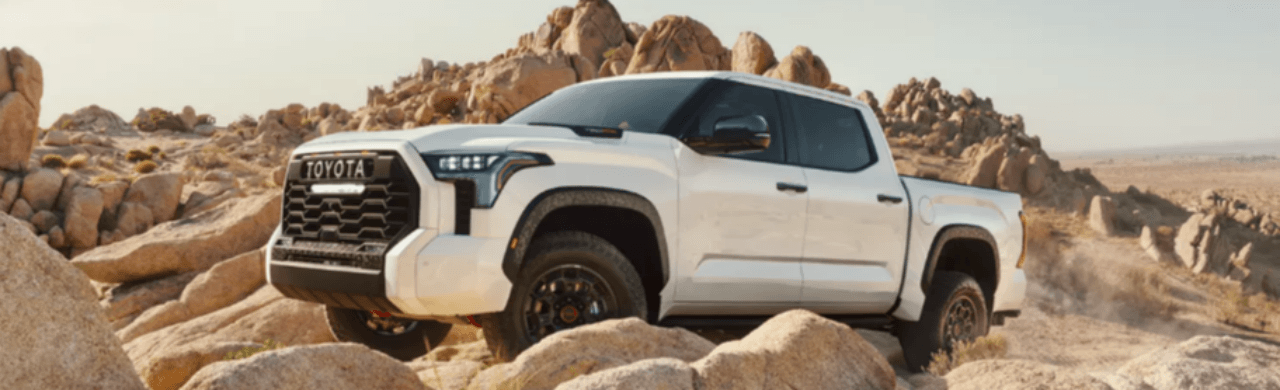
Cab and bed choices affect how the truck accommodates people and cargo. A larger passenger area may suit households that often travel together, while bed length and layout can matter when transporting long or bulky items. The best fit depends on what you carry, how often you use the bed, and the space available where you park.
Before reviewing individual listings, consider the following:
Set a purchase budget that includes ongoing ownership expenses.
Identify how many people regularly ride in the truck and how much passenger space is needed.
List the typical cargo items and measure unusually long or bulky loads.
Consider garage dimensions, driveway space, and parking at work or frequent destinations.
Identify any must-have equipment and verify it on the specific vehicle.
A configuration that works well for one purpose may create compromises elsewhere. A truck with a longer bed, for example, may require more parking space, while a cab arrangement chosen for passenger needs may affect the available cargo area. Check the actual dimensions and layout of the vehicle rather than making assumptions based on the Tundra name alone.
It is also useful to consider how often the truck will be used for its most demanding task. If hauling equipment is occasional, the priorities may differ from those of someone who carries tools every day. Buyers should distinguish between essential requirements and features that would simply be convenient.
A listing can help identify a potential match, but it should not be treated as a complete specification sheet. The 2026 Toyota Tundra name does not establish every detail of an individual truck's equipment or configuration. Check the listing, vehicle documentation, and seller's explanation before relying on a feature or specification.
Review the exact cab and bed configuration, model designation, drivetrain information, and other details relevant to your intended use. If the vehicle will carry particular loads or tow equipment, verify the applicable ratings for that exact configuration rather than relying on a general figure associated with the model.
During an inspection, review:
The vehicle's model year, configuration, and available documentation.
Cab and bed layout, including whether the usable space meets your needs.
The operation of controls, displays, connectivity features, and other equipment you intend to use.
The condition of the bed, interior, tires, and other visible areas.
Any warning messages, unresolved questions, or differences between the listing and the actual vehicle.
Ask the seller to demonstrate features that are important to your decision. If the listing describes a particular convenience or driver-assistance system, confirm that it is fitted to the specific truck and understand its limitations. Do not assume that all vehicles sharing a model year or trim name have identical equipment.
For a truck being considered for work or frequent cargo use, pay attention to how the bed is arranged and whether the items you carry can be secured appropriately. Check access, loading height, and available room in person. A short inspection can reveal practical issues that may not be obvious from photos.
Cab and bed configuration can influence convenience every day, not just during occasional hauling. Passenger space, cargo length, overall vehicle dimensions, and the ease of loading or parking should all be considered together. Before deciding, picture the tasks the truck will perform most often and compare those needs with the actual layout of each candidate.
A useful approach is to test the space directly. Sit in the seating positions that will be used regularly, check access to the rear area where applicable, and assess how easily common cargo items can be loaded. If you regularly transport equipment, measure it and compare those dimensions with the usable bed space.
Use these questions to guide the comparison:
Does the cab comfortably accommodate the people who regularly travel with you?
Can the bed carry the typical cargo without creating avoidable loading problems?
Will the truck fit the parking spaces and driveway used most often?
Is there enough room for tools, accessories, or storage solutions you plan to add?
Does the selected layout suit both weekday driving and less frequent tasks?
Do not base the decision solely on the largest available space or the shortest overall vehicle. More room in one area may come with tradeoffs in another. Compare the configuration against your actual routine and verify measurements for the exact truck before committing.
Configuration can also affect what equipment or accessories you may need. If you plan to add storage, bed protection, or other accessories, confirm compatibility and include their cost in the budget. Added equipment can also affect the truck's weight, so consider applicable limits when carrying loads.
Mesa driving can include neighborhood streets, busy intersections, shopping areas, freeway travel, and residential parking. Think about how the Tundra's size will work in the places you visit regularly. A test drive should include safe, representative conditions where practical, rather than only a short route near the seller.
Parking deserves particular attention if the truck will be kept in a garage or narrow driveway. Measure the usable space, including obstructions and the room needed to open doors. During the test drive, evaluate turning and maneuvering in a safe area, and check whether the vehicle feels manageable for the person who will drive it most often.
Ownership costs extend beyond the purchase price. Insurance, fuel, maintenance, tires, registration, taxes, and financing charges may all affect affordability. Costs vary by driver, vehicle configuration, usage, and other circumstances, so obtain current estimates for the specific truck rather than relying on generic assumptions.
A practical ownership review includes:
Request an insurance estimate for the vehicle being considered.
Estimate fuel and maintenance expenses based on expected driving.
Include registration, taxes, and financing costs in the purchase budget.
Compare asking prices for similar configurations and conditions.
Confirm current availability and review the purchase terms before arranging a visit.
Shoppers can also widen their search around the Phoenix metropolitan area if the initial candidates do not meet their requirements. A broader search may provide more vehicles to compare, but buyers should confirm the seller's location and details before traveling. The goal is to find a Tundra whose configuration, cost, and everyday usability fit the intended ownership plan.
Cab and bed choices affect passenger room, cargo capacity, parking needs, and loading convenience. Consider how many people travel in the truck, what you carry, and where you park most often. Compare the exact layouts in person and measure important cargo or parking spaces before choosing a configuration.
Confirm the exact model year, cab and bed configuration, equipment, condition, asking price, and current availability of the specific vehicle. Review the listing against available documentation and ask the seller to demonstrate important features. Confirm any unanswered details before traveling or making a purchase commitment.
Compare asking prices, configuration, condition, equipment, seller location, and available vehicle records. Estimate insurance, fuel, maintenance, tires, registration, and financing costs for each candidate. Use the same checklist for every listing and confirm current details with the seller before arranging an inspection.
Written for https://vehiclesforsalenearphoenix.com/
By the USA TODAY Network Automotive Insights Team, in collaboration with Berge Toyota and the Vehicles For Sale Near Arizona Republic Edition.
Disclaimer: This article's content is intended for informational purposes only. Vehicle specifications and features are based on data provided by J.D. Power and local dealerships and may vary by individual vehicle, VIN, trim, configuration, packages, and optional equipment. Vehicle images may not depict the exact model, trim, features, packages, accessories, or specifications described. Vehicle pricing, availability, features, and specifications are subject to change without notice. Please reference the dealership's vehicle listing and window sticker or consult the dealership directly for complete and accurate details.