
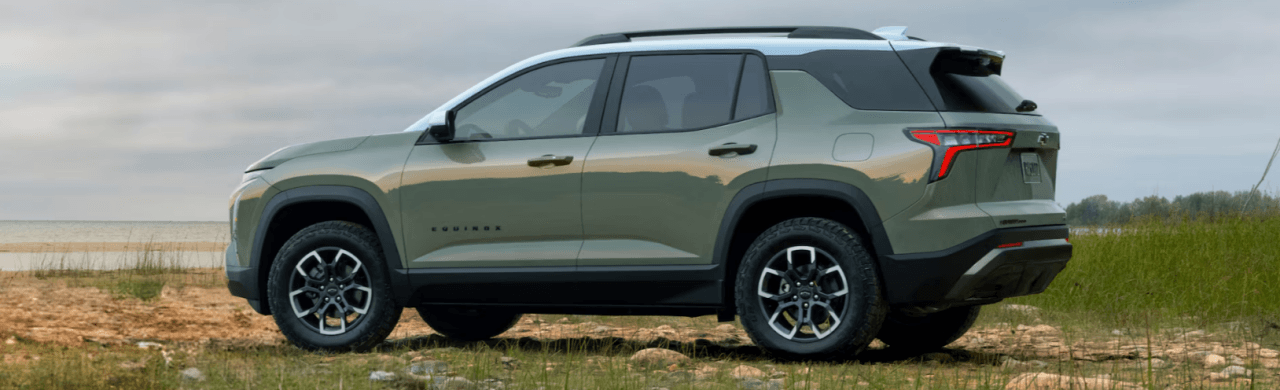
This content was aggregated from local dealer data and insights provided by the USA Today Network Automotive Insights team using Google Gemini and the Vehicles For Sale Near Phoenix marketplace writing team.
When shopping for a compact SUV, engine specifications only tell part of the story. The way an engine and transmission work together can shape how a vehicle feels when pulling away from a stop, accelerating onto a freeway, navigating traffic, or traveling with passengers and cargo.
For Phoenix-area shoppers considering the 2027 Chevrolet Equinox, understanding the powertrain means looking beyond horsepower figures. The goal is to determine whether the vehicle's response, shifting behavior, and overall driving character suit the roads and routines you encounter most often.
The exact powertrain specifications and equipment should be confirmed for the 2027 model and the specific vehicle you're considering. A thoughtful test drive can then help translate those details into a more useful everyday impression.
A vehicle's powertrain includes the components that produce and deliver power to the wheels. In the Equinox, the engine and automatic transmission work together to manage acceleration and vehicle speed.
The engine generates power, while the transmission selects gear ratios to help balance response and efficiency as driving conditions change. How these systems interact can affect the way an SUV feels in stop-and-go traffic, during steady cruising, and when the driver asks for more acceleration.
For everyday driving, pay attention to several situations:
Pulling away from a complete stop in neighborhood traffic.
Accelerating gradually as traffic begins moving.
Joining faster traffic on a freeway entrance ramp.
Maintaining speed during steady highway travel.
Responding when additional acceleration is needed to pass.
Driving at lower speeds through parking lots and busy shopping areas.
These situations reveal more than a short burst of acceleration. They help you understand whether the engine and transmission respond in a way that feels predictable and comfortable.
If the 2027 Equinox you're considering is equipped with the eight-speed automatic transmission referenced in the vehicle information, ask the dealership to confirm that specification for the exact configuration. Do not assume every trim or drivetrain combination has identical equipment.
The powertrain should be evaluated as part of the complete vehicle rather than as an isolated specification. Engine output, transmission operation, drivetrain configuration, vehicle weight, and driving conditions all contribute to the experience.
When comparing a new Chevy Equinox, start with the official specifications for the model year and configuration. Review the engine description, transmission type, drivetrain, and published performance information. If you are comparing multiple listings, make sure the vehicles have comparable equipment before drawing conclusions.
Useful details to verify include:
The engine installed in the specific vehicle.
Whether the vehicle has the expected automatic transmission.
The drivetrain configuration.
Official horsepower and torque ratings, if published for that configuration.
Manufacturer fuel-economy estimates.
Any available driving modes and their intended operation.
A specification sheet can help explain what a vehicle is designed to do, but it cannot fully describe how it feels from the driver's seat. Transmission response may feel different depending on acceleration demand, road grade, vehicle load, and traffic conditions.
During a test drive, notice whether acceleration feels smooth and predictable. Listen for unusual noises, pay attention to unexpected hesitation or harsh shifts, and ask the dealership to explain any operating characteristics you do not understand. A new vehicle should be evaluated against its documented specifications and normal operating guidance.
The most important features are the ones that make routine driving easier and more comfortable. Powertrain performance matters, but it works alongside visibility, seating position, controls, cabin layout, and driver-assistance equipment.
For a compact SUV used for commuting and errands, consider how easily you can maneuver in crowded parking areas and how comfortable the driving position feels after more than a few minutes. Think about whether the vehicle offers the passenger and cargo space your household needs.
A useful test-drive checklist includes:
Check the driver's seat adjustment and visibility.
Try the accelerator at low and moderate speeds.
Observe how the transmission responds during ordinary acceleration.
Test the vehicle on roads with different speed limits.
Evaluate braking and steering feel.
Check cabin noise during steady travel.
Review the controls and displays you expect to use frequently.
Confirm which convenience and safety features are included on the exact trim.
Ask the dealer to demonstrate features rather than relying only on a model name or general description. Equipment can vary by trim, package, and vehicle configuration.
Phoenix driving can include neighborhood errands, congested surface streets, freeway commutes, and longer trips between communities across the Valley. A useful test drive should reflect at least some of the conditions you expect to encounter.
Stop-and-go traffic is a good opportunity to assess low-speed response and transmission behavior. On a suitable road, a freeway test can help you evaluate acceleration when merging and the vehicle's comfort at cruising speeds. If your routine includes steep grades or regular passenger and cargo loads, ask how those conditions relate to the vehicle's published performance and operating guidance.
The local climate also deserves consideration. Hot weather can increase the use of air conditioning and may influence fuel consumption. Traffic patterns, driving speed, and trip length can also affect real-world efficiency. Use official fuel-economy estimates as a comparison reference, not as a guarantee of what every driver will achieve.
Before deciding, consider:
How much of your weekly driving takes place in traffic.
Whether your commute includes extended freeway travel.
How often you carry passengers or bulky cargo.
Whether you regularly take longer trips outside Phoenix.
Which powertrain and drivetrain configuration fits your needs.
The fuel grade and maintenance requirements specified by the manufacturer.
For local shoppers, comparing available vehicles online can help narrow the search before visiting a dealership. Review Chevrolet Equinox listings near Phoenix and confirm each vehicle's model year, equipment, and availability directly.
AutoNation Chevrolet – Mesa, AZ is located in Mesa, AZ and serves the Phoenix marketplace. When discussing the 2027 Equinox, ask for the exact vehicle's specifications and take a test drive that reflects your regular driving conditions. That combination of documentation and firsthand evaluation can help you decide whether its powertrain is a good match.
The transmission should be confirmed using the official specifications for the 2027 model and the exact vehicle configuration. Ask the dealership to verify the transmission listed for the vehicle you are considering rather than assuming all trims or drivetrains share the same equipment.
Pay attention to how the vehicle responds when pulling away, accelerating gradually, merging, and maintaining speed. Shifts should feel consistent with the vehicle's normal operation. If you notice unusual hesitation, noise, or harshness, ask the dealership to explain and evaluate it.
Suitability depends on your expectations, driving habits, and the exact vehicle configuration. Test the Equinox on a suitable freeway route to assess acceleration, cruising comfort, cabin noise, and visibility. Compare the experience with the demands of your regular commute.
High temperatures, air-conditioning use, traffic, speed, and trip length can all influence real-world fuel consumption. Official fuel-economy estimates provide a useful comparison, but actual results vary. Consider your own routes and driving patterns when estimating ownership costs.
Ask for the exact engine, transmission, drivetrain, and official performance specifications for the vehicle. You can also request manufacturer fuel-economy information and details about maintenance requirements. Confirm that the information matches the model year and configuration shown on the vehicle documentation.